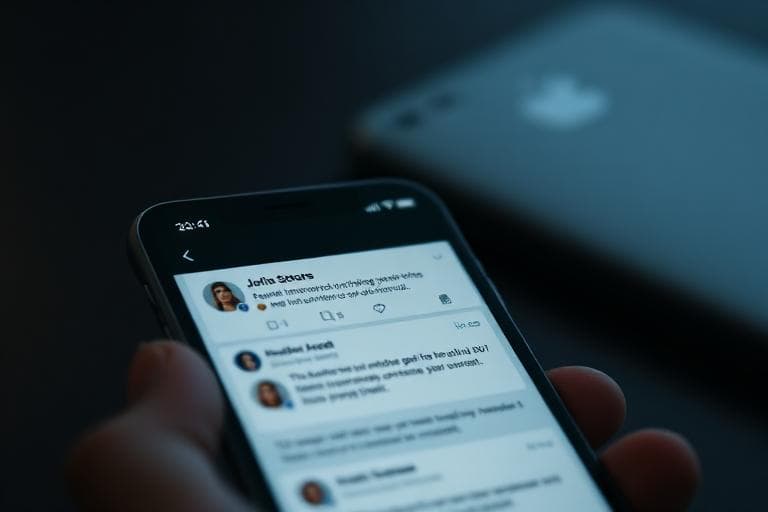
Sharing a screenshot feels harmless — you're just forwarding what someone else said. But under UK defamation law, every person who publishes a defamatory statement to a new audience is a publisher and potentially liable. The screenshot-sharer can be sued just as the original author can.
Secondary Publication Liability
The doctrine of secondary publication means that republishing a defamatory statement — whether by forwarding a WhatsApp message, sharing a screenshot on Instagram, or posting an old tweet — makes you a publisher of that statement. The fact that someone else originally wrote it is not a complete defence: it may reduce your damages, but it does not eliminate your liability.
Courts assess the culpability of secondary publishers by asking whether they knew, or ought to have known, that the content was defamatory when they shared it. A person who shares a screenshot of a false allegation with evident enthusiasm or commentary endorsing the allegation will be treated more harshly than someone who shares content without knowing it is false.
The Each-Publication Rule and Screenshots
Each time a defamatory statement is shared with a new audience, a fresh cause of action arises. Where a screenshot is posted publicly on social media, the person who posted it has published it to their entire following — potentially tens of thousands of people — creating a substantial publication with its own serious harm case and its own one-year limitation period.
Need Expert Legal Advice?
Our specialist defamation solicitors offer free, confidential case evaluations. Get clarity on your legal position today.
Context Matters: How Screenshots Can Change Meaning
Screenshots are frequently shared without their original context — a message taken out of a longer conversation, an image with its surrounding thread removed, or a partial exchange that changes the meaning of what was said. Where a screenshot creates a false impression by omitting material context, the person who shared it may be liable for that false impression, even if the individual words in the screenshot are literally accurate.
Court Documents, Police Reports, and Contempt of Court
Screenshots of court documents, family court orders, or material covered by reporting restrictions can create additional legal exposure beyond defamation — potentially constituting contempt of court. Always seek legal advice before sharing any material relating to ongoing legal or police proceedings.
UK GDPR as a Parallel Remedy
Where a screenshot contains your personal data and is being shared without a lawful basis, the UK GDPR right to erasure provides a parallel remedy that can be pursued alongside a defamation claim. A solicitor can combine data protection and defamation routes for the most effective response.
Related reading: WhatsApp defamation | Social media liability | Defamation Act 2013
Free Confidential Consultation
Has online content damaged your reputation?
- No-obligation free case assessment
- UK's 1-year limitation period — act now
- Referral to specialist defamation solicitors